
 WATER HEATERS
 Rinnai Water Heaters (Internal & External Installation)
 Caravan Water Heaters
 Commercial Continuous Flow Gas Water Heaters
 GAS HEATER
 Calor Gas Heaters
 Gas Space Heaters
 Warm Air Heaters
 Gas Warm Air Heaters
 Electric Warm Air Heaters
 Boilers
 Gas Boilers
 ATAG Boilers
 Combi Boilers UK
 System Boilers UK
 Hot Water Cylinders
 Thermal Store Hot Water Cylinders
 Unvented Hot Water Cylinders
 Vented Hot Water Cylinders
 Commercial Hot Water Cylinders
 Air Purification UK
 Air purifiers UK
 Humidifiers UK
 Dehumidifiers UK
 Shipping Containers
 High Cube Containers
 Standard Containers (20ft, 40ft)
 Modified / Custom Containers
 Refrigerated Containers
 Storage Containers
 Renewables
 HOME HEATING OIL TANKS
 Bunded Oil Tanks
 Adblue Tanks
 Fire Protected Oil Tanks
 Fuel Bank Or Fuel Station Oil Tanks
 Single Skinned oil Tanks
 Secure Storage Solutions UK
 SMOKELESS COAL
 WOOD PELLETS

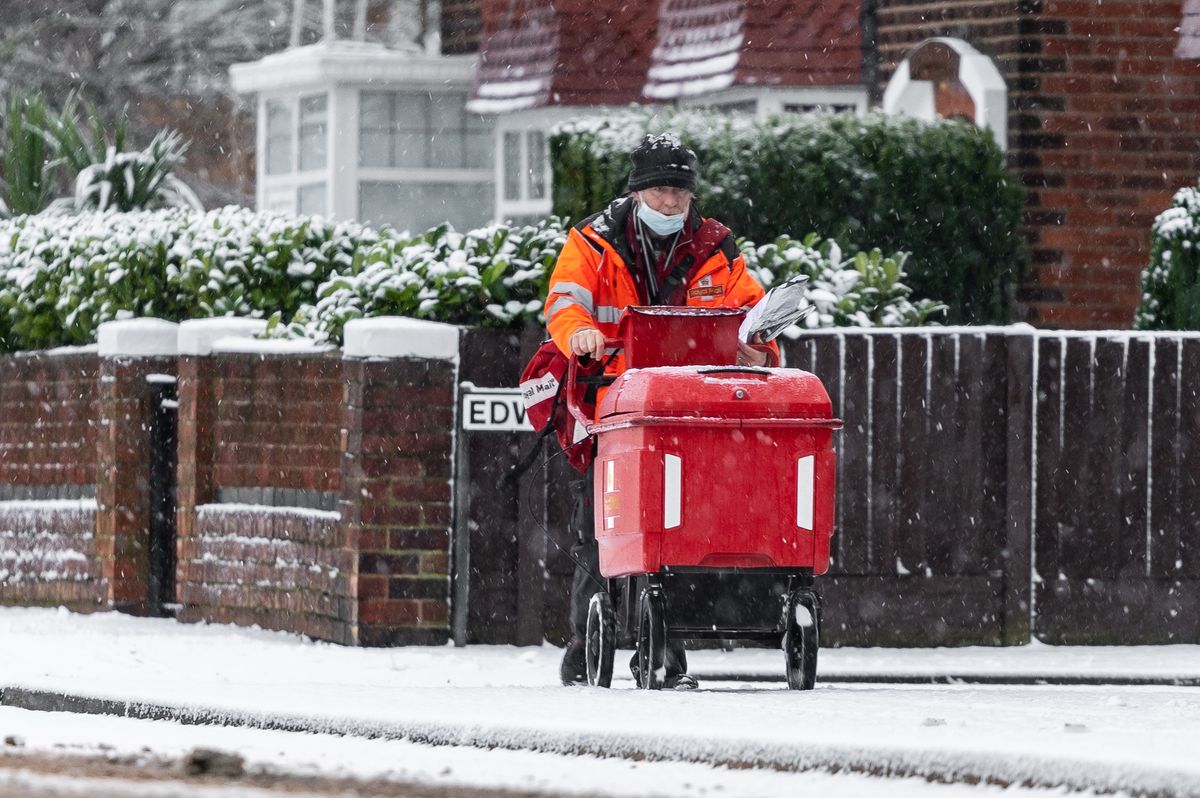
Why is February so cold in the UK. Energy Fuel UK – Helping You Understand the Weather That Affects Your Energy Needs
February in the United Kingdom has a reputation for being cold, grey, and sometimes snowy — even though recent years have also seen unusually mild Februaries. Understanding why this happens helps households prepare for higher energy use, cold snaps, and heating demand.
1. Seasonal Sun Angle and Short Days
February sits near the end of meteorological winter, when the UK receives significantly less solar heating than in spring or summer. With shorter days and a low sun angle, there’s simply less energy from the sun to warm the surface — which keeps average temperatures lower than in other months.
2. Weather Patterns and Airflows
A major driver of cold February conditions is the behaviour of large-scale weather systems and airflows over the Atlantic:
- North Atlantic Oscillation (NAO): This atmospheric pressure pattern can swing between positive and negative phases. In a negative NAO, the pressure difference weakens, allowing cold northerly or easterly winds from the Arctic and continental Europe to dominate, bringing chilly, dry air to the UK.
- Jet Stream Shifts: When the jet stream dips south or becomes wavier, it can allow pockets of Arctic air to push down over the UK — leading to cold spells with below-average temperatures and possible snow.
3. The Influence of High-Pressure Systems
Sometimes a stationary high-pressure system over Scandinavia or northern Europe blocks milder Atlantic weather. This “blocking pattern” prevents the usual mild, moist winds from the west and favours cold continental air from the east, making February feel especially cold across the UK.
4. Variability from Year to Year
Not all Februaries are the same. Some recent Februaries have been warmer than average, thanks to mild south-westerly airflows from the Atlantic, influenced by climate trends. For example, 2024 was one of the mildest Februarys on record in England and Wales, with temperatures well above the long-term average.
However, even in a generally mild month, cold spells can still occur. These are often short-lived but can bring temperatures below average and lead to frost, ice, or snow before milder conditions return.
5. How This Affects Energy Use in the UK
Cold February conditions typically increase demand for heating, which means households use more energy for longer periods. Understanding the weather patterns that drive cold spells — such as Arctic air outbreaks, jet stream shifts, and high-pressure “blocks” — helps people anticipate when heating will be most needed.
In Summary Why is February so cold in the UK
February’s cold comes from a combination of:
- Limited winter sun and short days
- Large-scale atmospheric patterns (like the NAO and jet stream)
- Periods of high pressure and cold winds from the north or east
These influences can vary year-to-year, so while many Februaries are chilly, some can also feel comparatively mild due to Atlantic airflows. For households and businesses in the UK, being prepared for cold snaps — even in a warming climate — remains important for comfort and energy planning.
FAQ Why is February so cold in the UK
Q: Why is February so cold in the UK?
A: February is cold due to low winter sun, Arctic and continental airflows, jet stream shifts, and high-pressure systems that block milder Atlantic weather.
Q: Is February colder than January in the UK?
A: February can feel colder than January because the ground has lost stored heat and cold air has settled across northern Europe after months of winter.
Q: Does the jet stream affect UK temperatures in February?
A: Yes. When the jet stream moves south or weakens, it allows colder air from the Arctic or Europe to reach the UK, causing colder weather.
Q: Why does February increase energy use in UK homes?
A: Cold temperatures in February increase heating demand, leading to longer boiler run times and higher household energy consumption.