
 GAS HEATER
 Calor Gas Heaters
 Gas Space Heaters
 WATER HEATERS
 Rinnai Water Heaters (Internal & External Installation)
 Caravan Water Heaters
 Commercial Continuous Flow Gas Water Heaters
 Warm Air Heaters
 Gas Warm Air Heaters
 Electric Warm Air Heaters
 Boilers
 Gas Boilers
 Hot Water Cylinders
 Thermal Store Hot Water Cylinders
 Unvented Hot Water Cylinders
 Vented Hot Water Cylinders
 Commercial Hot Water Cylinders
 Renewables
 HOME HEATING OIL TANKS
 Bunded Oil Tanks
 Adblue Tanks
 Fire Protected Oil Tanks
 Single Skinned oil Tanks
 Fuel Bank Or Fuel Station Oil Tanks
 Secure Storage Solutions UK
 SMOKELESS COAL
 WOOD PELLETS

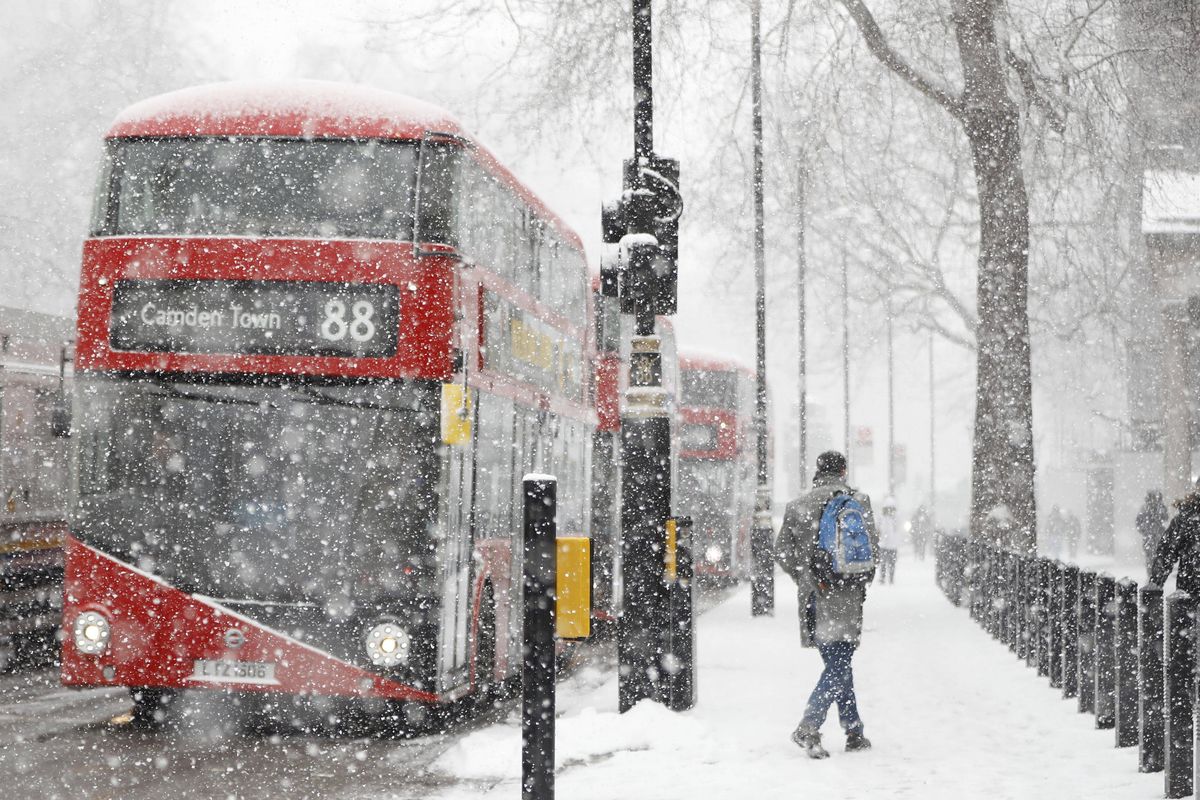
Weather United Kingdom in February 2026 By Energy Fuel UK
Weather in the United Kingdom in February 2026 is expected to reflect classic UK winter conditions, with cold temperatures, limited daylight, and continued demand for home heating across much of the country. February often remains one of the coldest months of the year due to low winter sun, Arctic airflows, and shifting weather systems.
For UK households, understanding February weather patterns is essential for planning energy use, staying warm, and preparing homes for winter conditions. At Energy Fuel UK, we help households prepare for cold weather with reliable energy solutions designed for winter resilience.
February is firmly in the UK’s winter period, bringing cool temperatures, variable precipitation, and a continued demand for reliable energy and home heating. While February can show signs of an approaching spring, winter weather patterns remain dominant across many regions of the UK — from Scotland to southern England.
Typical February Weather Across the UK
Across much of the United Kingdom, February remains cold and wintery, though there is some regional variation:
- Scotland & Northern UK: Temperatures often hover close to freezing, with frequent snow and frost, especially in highland areas. Snowfall days can be slightly higher here than elsewhere.
- Central & Southern England: Cities such as London, Manchester, and Nottingham typically see daytime highs around 6–8°C (43–46°F) and nighttime lows near 1–2°C (34–36°F).
- Rain & Sunshine: Most of the UK experiences moderate rainfall and cloud cover, with only a few hours of sunshine each day.
In coastal and southern areas like Bournemouth, February is often slightly milder but still cold, with average highs around 7–8°C and frequent rainy days.
Typical Weather Features in February
- Cold temperatures: The month remains in winter’s grip, so highs rarely exceed single digits across the UK.
- Low sunshine hours: February has one of the lowest average sunshine totals, contributing to the cold, grey feel of winter.
- Rain and snow mix: Precipitation varies from rain in milder areas to snow or sleet further north and at higher elevations.
- Shorter days: Daylight remains relatively limited — meaning long nights and chilly morning starts.
Why This Matters for Energy and Home Preparation
As winter weather continues into February:
- Heating demand stays high: Cold temperatures mean households still rely on efficient heating systems.
- Energy usage can spike: Low temperatures and damp conditions can increase energy needs in homes.
- Weather impacts mobility: Rain, ice, and occasional snow increase the need for reliable fuel and heating support.
These patterns are important for UK residents planning their energy usage, home insulation, fuel supply, and heating schedules during the final stretch of winter.
Prepare for Winter with Energy Fuel UK
At Energy Fuel UK, we help households stay warm, safe, and prepared for fluctuating winter weather with reliable energy solutions from https://energyfuel.co.uk/:
- Trusted heating fuel options for your home
- Efficient delivery services across the UK
- Essential winter warmth support when temperatures drop
- Expert guidance for energy planning and cost management
Staying ahead of winter weather means being prepared — and that starts with reliable energy you can count on.
Summary: What February 2026 Looks Like in the UK
- Cold but variable temperatures across regions
- Rain, sleet, and snow mix depending on location
- Limited sunshine and damp conditions
- Continued need for efficient home heating and energy planning
By understanding UK winter weather and planning ahead, households can stay comfortable and cost-efficient throughout February and beyond.
Energy Fuel UK provides guidance and solutions to help UK households prepare for seasonal weather and manage winter energy needs effectively.
❓ FAQ Weather United Kingdom in February 2026
What is the weather like in the United Kingdom in February 2026?
February 2026 in the UK is expected to reflect typical winter conditions, including cold temperatures, limited sunshine, and a mix of rain, frost, and possible snowfall depending on the region.
Is February one of the coldest months in the UK?
Yes. February is often among the coldest months in the UK due to low sun angles, cold airflows from the north and east, and winter atmospheric patterns.
Will February 2026 require high heating use in UK homes?
Cold temperatures in February usually lead to increased heating demand, making it one of the highest energy-use months for UK households.
How can UK households prepare for February winter weather?
Preparation includes ensuring reliable heating fuel, planning energy use efficiently, insulating homes properly, and staying informed about winter weather patterns.
Why is winter energy planning important in the UK?
Winter weather can be unpredictable. Planning ahead helps households stay warm, manage energy costs, and avoid disruptions during cold spells.
How can Energy Fuel UK help during winter?
Energy Fuel UK provides reliable energy solutions and essential winter fuel support to help UK households stay prepared throughout the coldest months.